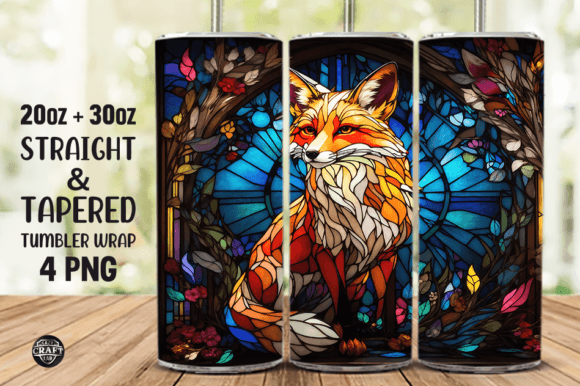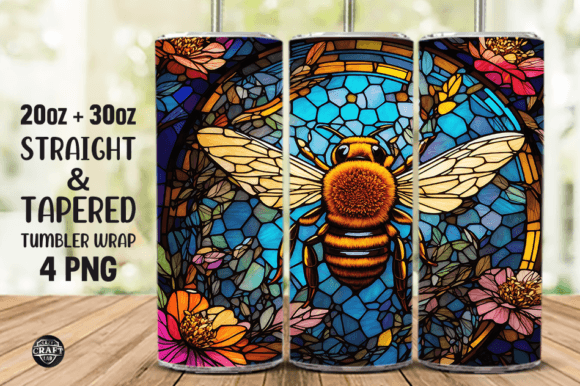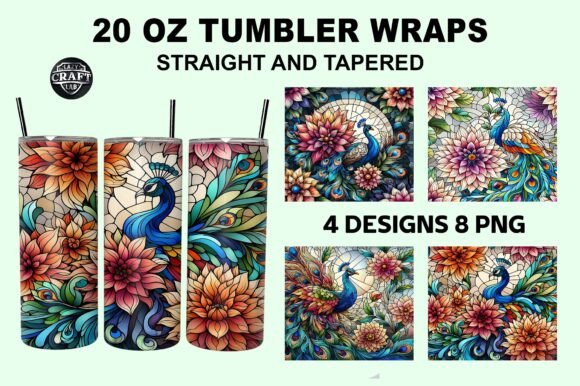
Stained Glass Peacock Dahlia Tumbler Wrap Graphics
When I first opened the Stained Glass Peacock Dahlia Tumbler PNG file, I immediately recognized the kind of design asset that stops a scroll. The composition blends luminous stained glass texture with a peacock motif and layered dahlia blooms, creating something that feels simultaneously artistic, decorative, and editorial. As someone who publishes visual content across multiple platforms every week, I evaluate graphics through a single lens: will this make a reader pause long enough to click. This design clears that bar easily.
The stained glass effect gives the artwork a jewel-toned richness that reads beautifully on screens. Deep teals, emerald greens, amethyst purples, and amber golds fracture across the peacock's plumage and the dahlia petals in a way that mimics natural light hitting cathedral glass. For a blog designer or digital publisher, that kind of built-in luminosity is valuable because it creates contrast against white backgrounds, dark mode layouts, and even busy editorial templates without requiring heavy post-processing.
The Editorial Mood and Visual First Impression
What struck me within seconds of previewing the Stained Glass Peacock Dahlia Tumbler wrap PNG was how confidently it leans into a decorative, artistic, and slightly bohemian aesthetic. This is not a minimalist line drawing or a muted flat illustration. It is bold, ornate, and unapologetically detailed. The peacock itself carries symbolic weight across creative and lifestyle niches, and pairing it with dahlias adds a botanical softness that keeps the overall feel approachable rather than overly formal.
For content publishers, mood matters. A graphic that feels cold, generic, or visually flat can subtly erode reader trust before a single paragraph is read. This design communicates warmth, craftsmanship, and attention to detail, qualities that transfer onto the brand using it. I could see this working beautifully for a lifestyle blog covering home decor, creative crafts, DIY projects, art journaling, or even a wellness site that uses rich visual storytelling to build community.
How This Graphic Functions in a Real Publishing Workflow
My test for any graphic design asset is whether it can move through a real publishing pipeline without requiring constant rework. I imported the Stained Glass Peacock Dahlia Tumbler PNG into several common use scenarios and tracked how it performed.
As a blog featured image, the design held its own beautifully. The central composition of the peacock and dahlia cluster creates a natural focal point that pairs well with overlaid headline text. I tested it with a sans serif title placed in the upper third and the graphic anchored at the bottom of the frame, and the result looked polished enough for a magazine-style layout. The stained glass lines provide enough texture to keep the image visually interesting without overwhelming the typography.
For Pinterest pins, this asset is a strong candidate. The vertical orientation of the original tumbler wrap design adapts naturally to pin dimensions with some creative cropping or by using it as a decorative element within a larger pin composition. The jewel tones stand out against the predominantly white and beige pins that dominate many feeds, which improves the likelihood of a pause-and-click response. I would recommend placing a clear, high-contrast text overlay and maybe a subtle shape behind the headline to ensure readability on mobile screens.
In newsletter headers and email graphics, the design adds an unexpected artistic touch. Most newsletters rely on simple photography or icon-based headers. Placing this stained glass peacock illustration at the top of a weekly digest immediately signals a creative, design-forward brand. Subscribers notice when a publisher invests in visual quality, and that investment builds long-term reader loyalty.
Repurposing a Tumbler Wrap Beyond Its Original Format
The product description frames this as a skinny tumbler sublimation design for a 20 OZ tumbler, and the included print files are clearly optimized for that purpose. But experienced publishers know that a well-designed graphic rarely stays in one lane. The Stained Glass Peacock Dahlia Tumbler PNG can be cropped, resized, and repurposed across a wide range of content formats without losing its visual integrity.
I tested extracting sections of the design for use as article accent graphics, small decorative elements placed between paragraphs or used as section dividers in long-form blog posts. The peacock feather details alone make stunning horizontal dividers. The dahlia blooms can be isolated and used as bullet point markers or sidebar accents. This kind of graphic reuse stretches the value of a single digital download across months of content production.
For downloadable resources and lead magnets, the design serves as an elegant cover graphic. A digital guide, worksheet, checklist, or eBook cover featuring this artwork immediately looks more premium than a text-only alternative. When readers perceive a free resource as beautifully designed, they are more likely to trust its content and follow through on the opt-in. That trust translates directly into better conversion rates for email list building and content marketing funnels.
Content Niches That Naturally Align With This Design
Not every graphic works for every niche, and smart publishers match visuals to audience expectations. The Stained Glass Peacock Dahlia Tumbler PNG fits most naturally into creative, lifestyle, and artistic content categories. Here are the niches where I would confidently deploy this asset:
- Art and craft blogs covering stained glass projects, painting, illustration, or DIY decor
- Lifestyle and home decor websites with a bohemian, eclectic, or maximalist aesthetic
- Wellness and self-care platforms that use rich, symbolic imagery to create a calming visual environment
- Creative business coaching and small business branding content where artistic visuals reinforce a message of originality
- Gardening and botanical blogs that can leverage the dahlia elements for seasonal or floral content
- Event and wedding content where jewel tones and ornate design match the editorial tone
- Spiritual or mindfulness websites where peacock symbolism carries cultural relevance
For content publishers in these spaces, the design feels like a natural extension of the brand rather than a forced decorative element. That alignment is critical for maintaining a consistent visual identity that readers recognize and trust.
Performance Impact on Content Metrics
A strong graphic design asset does more than look attractive. It directly influences how content performs. When I evaluate a design for publishing use, I think about the measurable impact on reader behavior.
The Stained Glass Peacock Dahlia Tumbler PNG supports a stronger first impression because its stained glass texture and rich color palette are visually distinctive. In a feed full of stock photography and simple vector illustrations, this design stands apart. That distinctiveness can improve click-through potential on social media, in email newsletters, and on category pages where multiple articles compete for attention.
The design also supports clearer visual hierarchy when used as a hero image or featured graphic. The central composition draws the eye toward the middle of the frame, where a headline or call-to-action naturally sits. This reduces the cognitive load on the reader, helping them understand what to focus on within the first second of landing on the page.
Over time, consistent use of visually distinctive graphics builds brand identity and category recognition. Readers who see this stained glass style across multiple articles, pins, and emails begin to associate that visual language with the publisher's brand. That recognition increases return visits, newsletter opens, and affiliate link clicks because the audience has learned to trust the quality behind the visuals.
Where the Design Works Best and Where Caution Is Needed
Every design asset has sweet spots and edge cases. Based on my testing, the Stained Glass Peacock Dahlia Tumbler PNG performs exceptionally well in these publishing contexts:
- Hero images and article headers where the graphic has room to breathe
- Pinterest pins designed for lifestyle, art, and creative niches
- Blog featured images with overlaid headline text
- Newsletter header graphics and email banners
- Downloadable resource covers for guides, worksheets, and eBooks
- Category thumbnails on content-heavy websites
- Social media previews for Instagram, Facebook, and LinkedIn posts
There are also situations where I would use this design carefully or pair it with simpler supporting elements:
- Small mobile thumbnails lose the intricate stained glass detail and may appear muddy
- Text-heavy blog images where the ornate design competes with dense paragraphs
- Low-contrast backgrounds that mute the jewel tones and flatten the visual impact
- Corporate or legal content where a decorative peacock design feels out of alignment
- Minimalist brand systems that rely on white space and restraint
These cautions are not limitations of the design itself but rather considerations for publishers who need to match assets to specific content goals. A beautifully ornate graphic placed in the wrong context can undermine the very professionalism it was meant to enhance.
Practical Publisher Notes Before You Publish
Before using the Stained Glass Peacock Dahlia Tumbler PNG in a live publishing environment, I recommend running through a short checklist that I use for every digital download I incorporate into content projects.
First, test the graphic on desktop and mobile screens. The stained glass lines that look crisp on a large monitor can become indistinct on a phone screen. Preview the image at the exact dimensions it will appear on your site, and check for any loss of detail that weakens the visual impact.
Second, check how the graphic reads as a thumbnail. Many readers will encounter your content first through a small image in a related posts section, a search results page, or a social media feed. If the peacock and dahlia shapes hold up at thumbnail size, the design passes this test. If they blur into an unrecognizable shape, consider using a cropped or simplified version for small display contexts.
Third, preview the graphic inside a real blog layout. Place it in your content management system, add a headline, and view the full page. Does the design support the reading experience or distract from it. The answer should guide how prominently you feature the graphic.
Fourth, test contrast and readability by placing headline text over the image. The stained glass effect contains both light and dark areas, so text placement matters. A white headline over a darker section of the peacock plumage reads well. A dark headline over the lighter dahlia petals also works. Test both options before committing to a final layout.
Fifth, pair the graphic with different font styles to see what feels most cohesive. I tested the design beside a serif font, a sans serif, a script font, a handwritten style, and a clean display typeface. The serif and script pairings felt the most natural, reinforcing the artistic and slightly vintage mood of the stained glass aesthetic. Sans serif pairings created a more modern contrast that could work well for a contemporary lifestyle brand.
Finally, review file size and web performance. The product arrives as a zipped instant download with print-ready files, which means the original dimensions may be larger than what a website needs. Compress the image properly for web use, export at the correct resolution, and consider using a responsive image approach so mobile visitors are not loading an unnecessarily large file. Page speed affects both user experience and search rankings, and no graphic is worth a slow website.
Licensing and Commercial Use Considerations
Publishers who monetize content through affiliate marketing, digital products, or paid newsletters need clarity on licensing. The Stained Glass Peacock Dahlia Tumbler PNG is sold as a commercial design asset through a creative marketplace, but the specific terms of the commercial license should be reviewed before using it on a monetized website, an affiliate page, or inside a paid content product. Most tumbler wrap designs include allowances for personal and small business use, but confirming the scope of commercial rights is a responsible step that protects both the publisher and the original designer.
If you plan to use this graphic as a printable design element in a digital product for sale, or as part of a Canva template you distribute to clients, verify that the license permits those specific applications. Many designers appreciate when publishers reach out to clarify usage terms, and that conversation can lead to custom licensing arrangements that benefit both parties.
Final Thoughts From a Publisher's Perspective
The Stained Glass Peacock Dahlia Tumbler PNG is more than a tumbler wrap. It is a versatile, visually rich graphic design asset that can elevate the look of blog content, editorial layouts, social media graphics, and downloadable resources. The stained glass texture, peacock motif, and dahlia composition create a distinctive artistic mood that supports branding, builds reader trust, and improves the overall polish of published content. For creative bloggers, lifestyle publishers, and small business owners who want their visuals to feel intentional and premium, this design is a worthwhile addition to a publishing toolkit. Test it inside your own layouts, pair it with thoughtful typography, and watch how a single well-chosen graphic can sharpen the entire visual presence of a content website.