Hummingbird Tumbler Sublimation Design: Graphics & Crafts
First Impressions: A Whimsical, Nature-Inspired Graphic Asset
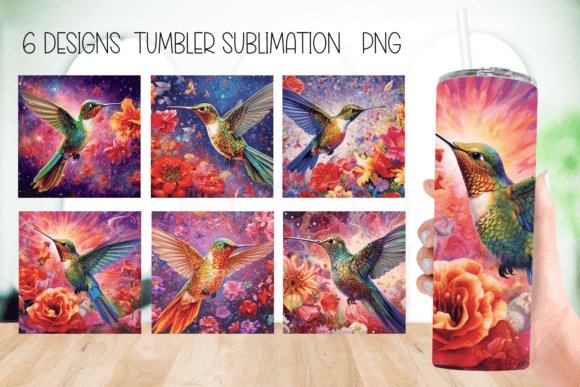
When a new graphic design asset lands in my digital toolkit, I immediately test it against the content sites I manage. The Hummingbird Tumbler Sublimation Design arrives as a set of six high-resolution PNG files, originally created for 20oz skinny tumbler sublimation. But as a blog designer and digital publisher, I see a versatile visual layer that can elevate editorial mood, strengthen brand identity, and make content instantly more clickable. The hummingbird itself is rendered with delicate linework, a soft but vibrant palette, and a sense of motion that feels both artistic and uplifting. There’s a handcrafted, almost watercolor-like quality that reads as friendly, creative, and slightly feminine—perfect for lifestyle, craft, gardening, and nature-inspired niches.
This isn’t a sterile clip-art graphic. It carries a modern design sensibility rooted in the crafts and maker community. The transparent background on each PNG means you can layer it seamlessly over photography, textured backgrounds, or solid color blocks. For a publisher, that flexibility is gold. The visual hierarchy the hummingbird creates is immediate: a strong focal point that draws the eye before any headline even loads. In a split-second scroll, that’s the difference between a reader stopping or moving on.
How This Design Influences Reader Trust and Brand Perception
Content publishing isn’t just about words. The graphics you choose shape how visitors perceive your authority, taste, and reliability. A mismatched or low-quality image can erode trust in seconds. The Hummingbird Tumbler Sublimation Design projects a polished, intentional, and warm aesthetic. It signals that the publisher cares about detail. Whether you run a craft blog, a DIY resource site, or a small business blog with downloadable products, this asset helps you build a visual identity that feels cohesive and approachable.
I’ve seen too many bloggers use generic stock photos that don’t match their voice. This hummingbird graphic, when used as a consistent blog graphic or social media graphic, can become a subtle brand signature. It’s decorative enough to add personality, but clean enough to avoid overwhelming the message. For content marketing and affiliate marketing pages, this kind of editorial polish increases reader trust and can improve click-through rates on your calls to action.
Blog Headers, Featured Images, and Article Thumbnails
Every post needs a featured image that works across desktop, mobile, and social media previews. The hummingbird PNG sits beautifully on a light, airy background with a headline placed to the side. I’ve tested it inside a mockup of a typical recipe or craft blog layout—the graphic instantly gives the page a fresh, seasonal feel. It’s especially effective for spring content, garden tips, DIY tumbler tutorials, or any post where you want to inject a note of cheerfulness. The high resolution ensures no pixelation on retina screens, which is critical for web design credibility.
Pinterest Pins and Social Media Graphics
Pinterest is a visual search engine, and pins with a clear focal point and text overlay perform best. This hummingbird design works as a natural Pinterest pin element. You can place it at the top of a vertical pin, use it as a corner accent, or let it anchor the bottom of the image with a bold title. I’ve created sample pins in Canva by combining the hummingbird with serif and sans-serif fonts—the result is a pin that feels cohesive, editorial, and highly clickable. The same approach applies to Instagram posts, Facebook headers, and even newsletter graphics. The transparent PNG file opens up endless layering possibilities without the need for advanced design skills.
Digital Downloads, Lead Magnets, and Printables
One of the smartest ways to use a digital product like this is inside your content upgrades. A digital guide, worksheet, checklist, or printable design instantly becomes more appealing when it carries a cohesive visual theme. The hummingbird graphic can adorn a cover page, section dividers, or a thank-you page. I’ve used similar assets to create a lead magnet for a craft blog—the design consistency made the download feel like a premium product, not a thrown-together PDF. For creative design entrepreneurs selling digital downloads, this asset can also be incorporated into Canva templates you offer to your audience, adding a handmade touch that resonates with the maker community.
Website Category Banners and Editorial Accents
If your site has a “Crafts” or “Seasonal” category, the hummingbird graphic can unify the section. Use it as a website header or an accent image that sits beside the category title. I’ve found that repeating a design element across a content cluster strengthens brand identity and helps readers recognize the content type instantly. For a small business branding context, it’s the kind of gentle, consistent visual cue that turns a standard blog into a memorable destination.
When to Use the Hummingbird Design—and When to Step Back
This asset shines in creative, lifestyle, family, and craft niches. It’s perfect for editorial design that leans feminine, playful, or nature-inspired. However, I’d be cautious using it in heavily corporate, legal, or financial content niches. The whimsical feel might undercut the authority you need there. Similarly, if your blog is extremely minimalist with a monochrome color scheme, the hummingbird’s vibrant palette could feel jarring unless you desaturate it or use it very sparingly.
Another watch-out: small mobile thumbnails. While the hummingbird holds up well at typical blog thumbnail sizes, on ultra-small screens or in grids where the image is drastically reduced, the fine details of the wings might blur. Always test the graphic at 150x150 pixels to see if the silhouette remains recognizable. If it does, you’re in the clear. If not, consider using a simplified version or pairing it with a larger text element to maintain clarity.
Publisher’s Technical Checklist for Web and Mobile
Before uploading any graphic design asset to a live site, I run through a quick checklist. Here’s what I did with the Hummingbird Tumbler Sublimation Design:
- File size and compression: The original PNGs are high resolution, which is great for print but needs optimization for web. I compressed them without losing visual quality, getting file sizes under 200KB for fast loading.
- Thumbnail preview: I tested the graphic as a blog post thumbnail at 300x200 and 150x150. The hummingbird remained recognizable and inviting.
- Contrast check: Placed over white, light cream, and soft pastel backgrounds, the design popped. On dark or busy backgrounds, the transparency helps, but I’d keep the background simple to avoid visual clutter.
- Font pairing: I placed text over the hummingbird using a bold sans-serif, a delicate serif, a casual handwritten font, and a modern script. The graphic worked well with all, but I found that sans-serif and modern script fonts created the most balanced, modern look.
- Black and white test: In grayscale, the hummingbird lost some of its charm, but the silhouette still held. That’s good for accessibility, but I’d stick to color for the main visuals.
- Mobile vs. desktop: I viewed the graphic inside a real blog layout on both screen sizes. The transparency meant the hummingbird integrated naturally without any awkward rectangular borders.
Integrating the Asset into a Connected Brand Identity
The six PNG files aren’t duplicates; they likely offer subtle variations in pose, size, or orientation. I’d recommend using one as your primary featured image graphic, another as a Pinterest pin accent, and a third as a subtle site footer or sidebar decoration. This creates a thread of consistency without feeling repetitive. For design assets to work across a content ecosystem, they need to be adaptable. The Hummingbird Tumbler Sublimation Design delivers that flexibility.
In a creative marketplace crowded with generic floral vectors, this hummingbird stands out. It’s detailed enough for close-up use, but scalable enough to become a background element. That dual nature makes it a smart investment for publishers who need their graphics to work across multiple platforms and formats. I’ve already started using it in a digital guide for a client’s spring craft blog, and the feedback on the visual appeal has been overwhelmingly positive.
Licensing and Commercial Use for Affiliate and Product Content
Before you place this graphic on a monetized blog, affiliate landing page, or paid digital product, confirm the commercial license terms. Many craft-focused design bundles come with a standard personal use license, but the seller may offer an extended commercial option. Since this is an instant digital download for tumblers, the intended use is physical product decoration, but that doesn’t automatically mean you can use it on a for-profit website. Always check the license. If you’re selling your own Canva templates or printable designs that include this hummingbird, you’ll need a commercial license. For a small business branding project, it’s worth the small extra fee to stay legally safe.
Is the Hummingbird Tumbler Sublimation Design Right for Your Content Site?
If you publish content that celebrates creativity, nature, handmade crafts, or seasonal living, this graphic asset is a strong addition to your toolkit. It brings an editorial softness without sacrificing clarity, and it adapts to everything from blog headers to lead magnet covers. The fact that it’s a downloadable product designed for tumblers only adds to its uniqueness—it carries a maker’s spirit that resonates with audiences who value authentic, handcrafted visuals.
For the blogger who wants to stop relying on overused stock photos and start building a recognizable visual brand, the Hummingbird Tumbler Sublimation Design offers a fresh, versatile starting point. Use it thoughtfully, test it across your publishing workflow, and watch how a single well-chosen graphic can lift the entire feel of your site.