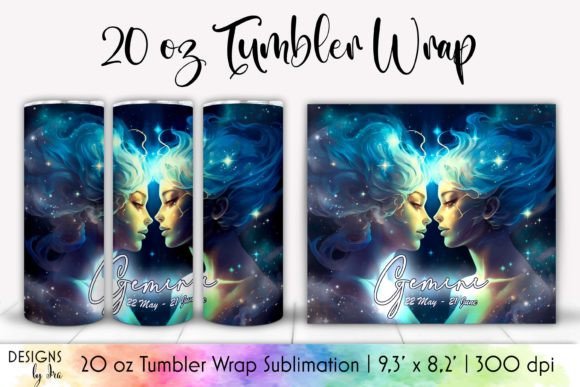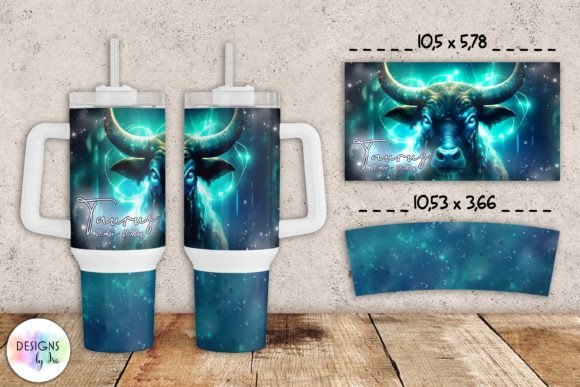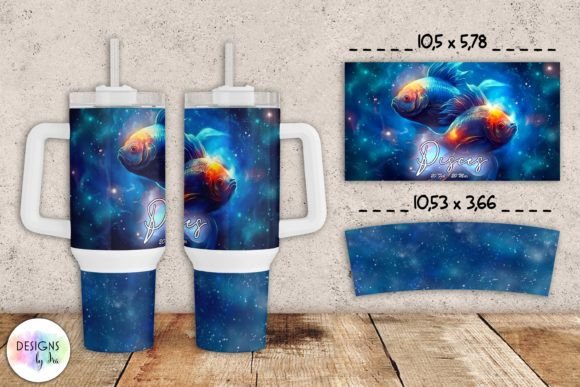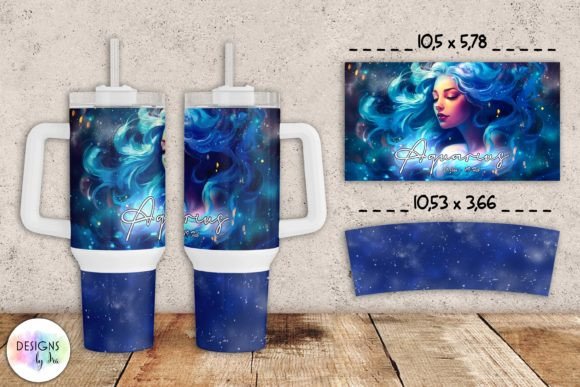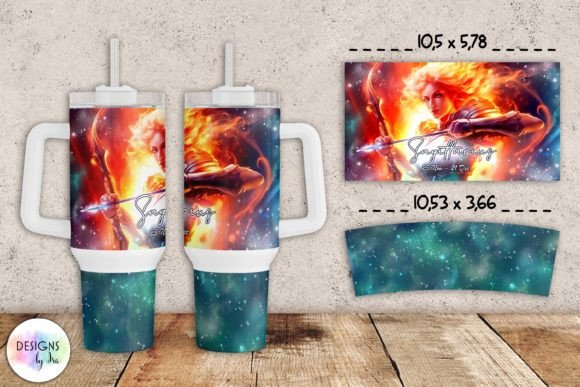
Evaluating the Sagittarius Zodiac Sign Tumbler Wrap Design
When a new embroidery file lands in my library, my first thought isn’t about the digital file itself—it’s about the final, stitched product. How will it look in thread? What kind of project does it whisper it belongs to? That’s the lens I’m using to look at this Sagittarius Zodiac Sign Tumbler Wrap design.
The Archer's Spirit: A First Impression
Right away, this design evokes a sense of adventurous elegance. The stellar, celestial theme isn’t just a graphic; it feels like a badge of identity. The layout, described as a tumbler wrap, suggests a cohesive, flowing composition that would adapt beautifully to a curved surface like a cap or a rounded patch. For embroidery, that means paying close attention to how the design’s flow translates from a flat digital preview to a stitched piece on fabric. The detail level implied by “beautiful stellar zodiac sign” hints at potential for lovely fill stitches and fine running stitch details, creating a piece that feels personalized and intentional, not generic.
Where This Design Finds Its Home
Let’s get practical. I’m picturing a client request for a personalized holiday gift—maybe an embroidered tote bag for a friend who is a proud Sagittarius. Or perhaps a small shop owner creating a line of zodiac-themed sweatshirts for their Etsy store. This design isn’t just a graphic; it’s a design asset that can elevate a handmade product. Its thematic strength makes it perfect for custom apparel, from t-shirts to aprons, where the zodiac sign acts as a personal emblem. I’d also consider it for a more permanent application, like a well-made embroidered patch for a backpack, or even decorative pillow covers for nursery or bedroom decor. The key is its recognizability; it adds immediate value and giftability because it speaks directly to someone’s identity.
Visual Appeal and Customer Trust
When stitched well, a design like this boosts the perceived value of the entire product. A crisp, clear Sagittarius emblem on a baby blanket or a kitchen towel shows care and professionalism. It builds customer trust because the finished product looks intentional and high-quality. For a craft business, consistency in executing such designs—with clean satin stitch borders and precise fill areas—strengthens your brand’s reputation for quality handmade goods. The engagement comes from the personal connection; a buyer isn’t just getting a sweatshirt, they’re getting a piece that represents them.
Navigating the Realities of the Stitching Process
Here’s where my designer mindset kicks in with cautionary notes. Any design with potential for fine detail and stellar accents requires thoughtful execution. First, hoop size is paramount. The provided dimensions give us a scale. You must ensure your machine and hoop can accommodate this, especially if you plan to resize it for a different project, like a smaller cap embroidery. On textured fabrics like some tote bag materials, or stretchy fabrics like for t-shirts, stitch density and stabilizer choice become critical to prevent puckering or distortion of those beautiful details.
Dark fabric backgrounds require careful thread color selection for contrast and pop. Curved surfaces, like the actual brim of a cap, demand testing to see how the wrap-style layout adapts—does it compress awkwardly at the seams? Also, consider products that need frequent washing, like baby clothes or tea towels. A dense stitch area might hold up better than very fine, single-line details which could be more vulnerable.
A Scenario From the Worktable
Imagine I’m preparing a custom embroidered sweatshirt as a boutique product. I’ve chosen this Sagittarius design. My process would be: test it on scrap fabric of the same weight first. I’d check the stitch density in the preview software to see if any areas are too dense for the fleece backing. I’d inspect the small details, like any tiny stars or lettering, to ensure they’ll stitch out clearly and not become a blur of thread. I’d run a black and white mockup to see the pure form, and compare how it looks conceptually on both light and dark sweatshirt colors. The stabilizer would be chosen not just for the fabric, but for the design’s detail level. This isn’t guesswork; it’s practical design judgment for a commercial embroidery project.
Essential Notes for the Professional Maker
Before this file ever touches a hoop for a client project or a product for your small shop, do your due diligence. Always, always test on scrap first. It’s the only way to truly see how thread color contrast plays out on your specific fabric. Review the actual stitch output from your machine—does the fill stitch look solid? Are the transitions clean?
Crucially, confirm the licensing terms of this design asset. The description doesn’t specify, so you must verify whether it’s for personal use only, or if it includes commercial use for selling your finished products like embroidered patches or apparel. Never assume. This protects your craft business and ensures you’re operating ethically.
Finally, think about presentation. For digital product sellers, a well-stitched sample of this design on a simple pillow cover or tote bag makes for a powerful printable mockup that sells the file itself. It shows the design’s real potential, moving it from a graphic to a tangible embroidery project.
In essence, the Sagittarius Zodiac Sign Tumbler Wrap design offers a strong, thematic foundation for a wide range of personalized gifts and commercial products. Its success hinges not on the digital file alone, but on your skilled application of embroidery principles to translate its celestial beauty into thread and fabric. Approach it with a practical, confident hand, and it can become a staple in your portfolio for clients and customers who see their story in the stars.