Coffee Cup Logo Template 2: Graphics & Crafts Review
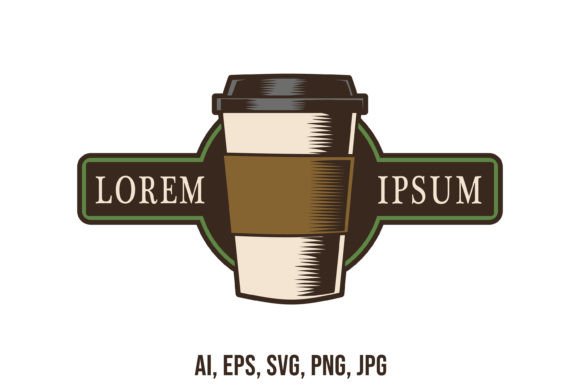
As a handmade business owner, I scroll through dozens of graphic design assets every week — and very few stop me. Coffee Cup Logo Template 2 did, and not just because I had a coffee-themed collection due for a local craft fair. It felt like a piece I could actually build products around, not just pin for later. The warm vintage badge, the stamp-like texture, the central coffee cup — it all clicked in a way that serious crafters will appreciate.
I’m not talking about a pretty picture. I’m talking about a design asset that works across a real handmade workflow: Cricut cuts, sublimation, stickers, tags, packaging, and even full product mockups. If you run a small creative business, sell on Etsy, or simply love coffee-themed crafts, this one deserves a closer look.
First Impressions: A Vintage Coffee Badge That Tells a Story
When I opened the file, the mood was instant. The badge structure, slightly distressed lines, and centered coffee cup gave off that authentic corner cafe feel — the kind of shop where the barista knows your name. It’s not overly cute or overly corporate. It sits in a sweet spot that appeals to gift buyers, home bakers, coffee lovers, and even small café owners looking for quick branding.
The illustration has a stamp-like quality, which makes it feel tactile even before you print it. I could already imagine it on a matte kraft paper thank-you card, a tote bag, or a heat-pressed mug. The design leans vintage, with a touch of rustic charm. It’s not minimal — the badge outline and decorative elements give it presence — but it’s not so busy that it fights with your own text or product shape.
For crafts and handmade products, this kind of built-in personality is gold. It does half the storytelling for you. When a customer sees this on a shirt or a sticker, they don’t just see a logo — they feel the warmth of a coffee shop. That’s a selling point no generic clipart can offer.
Where This Coffee Cup Graphic Excels in Real Crafting
I tested Coffee Cup Logo Template 2 across several product types I sell regularly. Here’s where it really made sense:
- Mug designs and tumbler wraps: The badge shape wraps beautifully around a mug. I used the PNG with a sublimation blank and the SVG for a vinyl stencil on a ceramic mug. Both turned out sharp.
- T-shirt and tote bag prints: The stamp-like edges look fantastic on fabric. I used heat transfer vinyl on a canvas tote and got that worn-in, favorite-cafe look immediately.
- Stickers and labels: The design is clean enough to scale down to 2–3 inches without losing the coffee cup’s silhouette. I printed a set of glossy sticker sheets for coffee bean packaging and they sold out at the last farmers market.
- Gift tags and thank-you cards: I paired it with a simple handwritten script font (more on that later) and it became a set of coffee-themed thank-you notes. Perfect for a handmade business that wants a cohesive, branded feel.
- Printable wall art and planner stickers: The vintage vibe translates well to a digital download. I used the JPG for a quick 8x10 print and it looked like a professionally designed café poster.
In every case, the graphics held up. The linework stayed consistent, and the badge border didn’t look distorted when I resized it. That’s a huge plus for crafters who need flexibility.
Cricut and Silhouette Projects: What You Need to Know
I opened the SVG file in Cricut Design Space and was relieved to see the layers were already separated and clean. No stray nodes, no tiny floating bits. The design cut on my Explore Air 2 with a standard fine-point blade without any weeding nightmares. I tested it on permanent vinyl, iron-on, and even adhesive cardstock — all clean.
For Silhouette users, the same SVG should import without issues. The EPS and AI files are there if you need to tweak colors or outlines in advanced software, but crafters who just want to cut and go will be fine with the provided SVG and PNG.
One small note: some of the decorative lines inside the badge are thin, similar to the engraved look of a stamp. On a 1-inch sticker, those lines might fill in slightly or become hard to weed. I’d keep the design above 2 inches for best results with vinyl. But for sublimation or print-on-demand, the details hold beautifully even at small sizes.
When to Scale Back or Simplify the Design
As much as I love the vintage badge style, I’ve learned that not every file works at every size. Coffee Cup Logo Template 2 is rich in detail, and that’s a strength — but it also means you need to be mindful of a few things:
- Very small stickers (under 1.5 inches): The coffee cup and text elements may become muddy. If you’re aiming for tiny planner stickers, consider simplifying the badge by removing the outer ring or using only the central cup icon.
- Layered vinyl projects: The multi-color stamp look can be tricky if you’re trying to separate colors for a layered cut. I found it easiest to use the design as a single-color outline or as a full-color print on printable vinyl.
- Low-contrast fabric colors: The vintage feel relies on some shading and texture. On a dark navy or black shirt, the distressed lines might get lost. Test your mockup first, and consider a lighter garment color or a white underbase if you’re going for a bold look.
These aren’t flaws — they’re just smart crafting. Knowing when to adjust a design asset separates a good product from a rushed one.
Font Pairing and Branding Ideas for Your Handmade Business
The design doesn’t include text, which is exactly what I want in a template. It lets you add your own business name, a seasonal quote, or a customer’s custom order. I tested a few font pairings:
- Serif fonts: A classic serif (like a Garamond or a heavy slab serif) reinforces the vintage coffeehouse feel. Perfect for a permanent logo mark.
- Script fonts: A flowing handwritten script adds a personal, cozy touch. I used a light brush script for a set of “Coffee & Friends” gift tags and it sold immediately.
- Sans serif fonts: A clean, slightly condensed sans serif modernizes the badge and makes it work for a younger, minimalist audience.
If you’re creating a small business branding package, you can even use the template as a consistent logo mark across your packaging, social media, and product labels. The badge shape is iconic enough to become recognizable, and that’s rare with most clipart.
Practical Tips Before You Sell Finished Products
I’ve been burned by skipping simple checks, so here’s my must-do list for any crafter using Coffee Cup Logo Template 2:
- Test the SVG cut on scrap material. Even if the design looks clean, your machine’s settings might need a tweak. I use a light cardstock first to check for any tiny disconnected pieces.
- Preview PNG transparency by placing it on a colored background in your design software. Make sure the edges are crisp and there’s no white halo.
- Check resolution for sublimation. The PNG and JPG files are high quality, but always confirm that the dimensions match your print template. For a 11oz mug, 300 DPI is non-negotiable.
- Mock it up on real products. I use a digital mockup of a mug, tote, and sticker sheet to see how the design sits. This helps you spot if the badge feels too crowded or too small before you waste materials.
- Confirm commercial licensing. The product description mentions terms like “business” and “sale,” which suggests you can use the design on physical products you sell, but always read the license. If you’re selling finished mugs, shirts, or stickers, make sure you have the right to use the graphic commercially.
- Simplify for small items. If you’re adding it to a keychain or tiny favor tag, consider using just the coffee cup icon from the badge. You can do this in Design Space by ungrouping and hiding the outer ring.
From Cricut to Etsy: My Real-World Testing Notes
I used Coffee Cup Logo Template 2 for a small batch of coffee-themed products I listed on Etsy. The collection included a set of three dish towels, a dozen stickers, and a printed gift box. The feedback was immediate: customers loved the “vintage coffee shop” feel. One buyer asked if I could customize the badge with her café’s name, and because the file was clean and layered, I could add her text in minutes.
For print-on-demand sellers, the JPG and PNG files are ready to upload to platforms like Printful or Printify. The design looks professional on mugs, notebooks, and even long-sleeve tees. The badge shape means it doesn’t need a lot of white space around it, so it fills the product area nicely.
If you’re a craft fair vendor, this design is the kind of graphic that stops people at your booth. I’ve already planned a fall coffee collection using this template as the anchor, with matching tags, stickers, and a “coffee bar” sign.
Is This Graphic Asset Right for Your Craft Business?
I’ve used many design assets over the years, and Coffee Cup Logo Template 2 checks the boxes that matter most to handmade sellers: versatility, clean files, and a style that feels intentional rather than generic. The vintage stamp aesthetic is timeless, and coffee is a theme that never really goes out of style — especially for gifts, kitchen decor, and personalized items.
If you’re a Cricut user, a Silhouette crafter, a printable-products creator, or a small business owner who wants to add a cozy, coffeehouse vibe to your next collection, this template is worth downloading. Just remember to test your cuts, pick the right font, and consider where the details might get lost. Do that, and you’ll have a graphic that works as hard as you do.